Lunch breaks leave a narrow space to reset, and it's even better if you use this time to stretch your brain through quick, meaningful play.
Studies show that daily word game players score higher on cognitive tests compared to people who don't play at all. Even a five-minute game during lunch leads to better recall, sharper focus, and quicker thinking.
So when you have a lunch break, food takes care of your body, and a short word game takes care of your mind. It means that you shouldn't shy away from playing word games. Just sit, tap, solve, and step back in with better control.
Top 5 Word Games to Play at Lunch Time
There's a wide range of word games available across formats and styles. Here, we have narrowed it down to 5 top picks. Each one is selected to turn your lunch break into a quick boost for focus, memory, and mental clarity.
Wordle
What could be more fun and interactive than solving one word while easing into your lunch? Wordle gives you six tries to guess a five-letter word. Only a single word per day. That's it.
Now, if your hands are full with food, no rush. Take the first bite. Let your guess sit. Wordle's turn-based style lets you come back whenever the next thought hits. Two might come while sipping tea. Guess three after that last bite. You never feel pulled into the screen, and the whole thing ends before your plate does.
Wordle keeps the challenge small and the effect sharp. It's undoubtedly a perfect mental reset for a solo lunch or a mindful pause in the day.
Strands
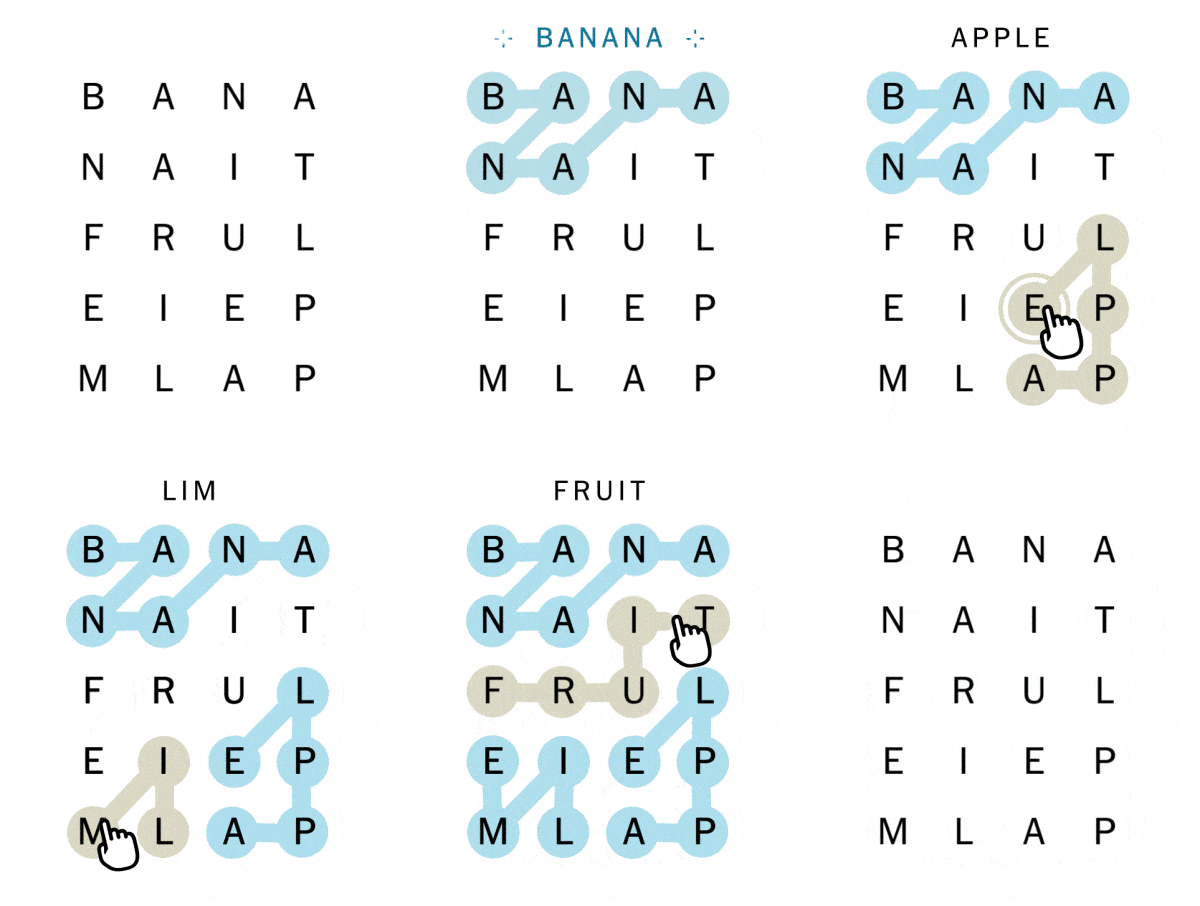
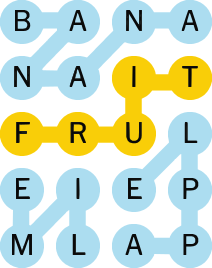
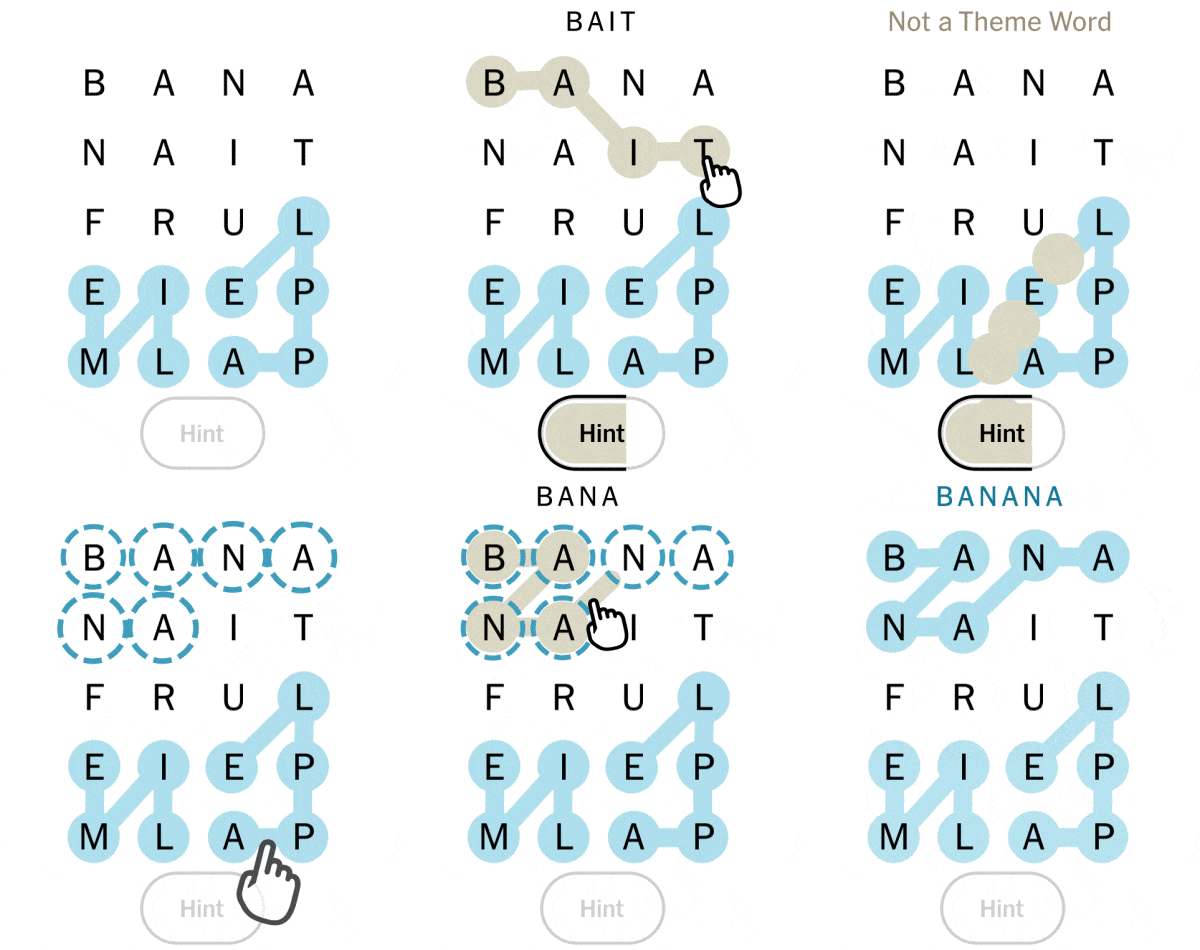
Strands always feel like a quiet companion when lunch slows down. The game comes with a 6x8 letter grid and a theme. You begin by tracing words. Each correct word forms part of the bigger idea. Three extra words unlock a hint. One keyword, the spangram, stretches across the board and ties everything together.
You begin with smaller words. One swipe. A pause. A clue forms. The board responds with gentle color: blue confirms a theme word, yellow marks the spangram. Your eyes keep scanning between spoonfuls or sips as the layout allows brief breaks. Each return brings a fresh look and often a new connection.
This pace works well when eating, as it doesn't make you tap in haste. One thought flows into the next, and each word links back to the theme. The board fills gradually. Yes, you get to play without needing full attention, yet the mind stays engaged.
Strands surely offer a different kind of focus. It fits into a lunch break without taking over, and you get up sharper than before.
Boggle
Bring out Boggle when lunch is short, but you still want a challenge. Shake the letter tray, let the cubes settle, and search for words that connect in any direction. The timer gives you a few minutes to find as many words as possible.
It plays well during lunch. One round fits easily between bites. You simply have to write a word, pause to chew, and scan again. It keeps the brain active without needing complete focus.
Boggle helps with recall, spelling, and fast thinking. A round or two during break keeps energy up and shifts attention in a healthy way. It works well with groups or pairs and fills the room with just enough focus to leave you feeling refreshed afterward.
Smartmouth
Smartmouth works best when lunch is loud and fast. The game takes seconds per round. You get to play between bites, no setup needed. One person calls the category, another resets the timer. It moves quickly, so no one waits long.
It gives a super fun way to build vocabulary, reflexes, and confidence in speaking. It's great for small groups with energy to spare. The speed keeps everyone sharp, and the short bursts fit easily into any lunch window at the office, school, or even home.
Wordscapes
Wordscapes fits right into a slow lunch with time to think. You get a circle of letters and a crossword-style grid. The goal is to swipe through combinations and fill the board with valid words.
It plays well when you want something steady. One hand moves letters, the other lifts a fork. There's no rush. The game pauses as needed and picks back up when you're ready.
You'll surely enjoy how it builds pattern awareness and strengthens recall. In fact, it doesn't even demand complete focus, yet every correct word feels rewarding. So, your lunch ends with a sense of progress, both on the plate and in the puzzle.
Digital vs. Physical Word Games: Which Works Best at Lunch Time?
Digital word games offer flexibility, quiet play, and easy solo use. Physical games bring social energy but need space and more attention. The bottom line is that both have their place depending on your lunch setup and mood.
|
Aspect |
Digital Word Games |
Physical Word Games |
|
Setup Time |
Instant start, no pieces |
Needs setup space |
|
Ease While Eating |
One hand play possible |
Can interrupt eating |
|
Solo Play Option |
Ideal for solo play |
Better with multiple players |
|
Group Engagement |
Limited to screen sharing |
Highly interactive |
|
Noise Level |
Silent with headphones |
Some verbal shouting |
|
Flexibility |
Pause and resume anytime |
Fixed rounds or timers |
|
Screen-Free Option |
Needs a device |
Yes |
|
Focus Level Required |
Moderate |
High |
Let's say go for digital word games if your break is short and you want quick, focused fun without cleanup or coordination.
Final Words
35% of the top-performing children in academics have parents who encourage word games. That demonstrates how strongly play is connected to growth. It always works well for young learners.
In fact, every age group stands to benefit. Office breaks, school recess, and home lunches all become smarter when you play cognition-boosting word games. So, use the time interactively and let each word sharpen the next one.